

Great design shouldn't be a luxury reserved for funded startups with agency budgets. That's why we built norta, a subscription-based design service for startups who need consistent, high-quality work without the traditional agency model.
Whether you're pre-seed or Series B, Norta offers the same strategic thinking and design craft you'd expect from a full agency engagement, packaged into a flexible monthly subscription. Brand development, web design, marketing materials, ongoing creative support - all accessible when you need it, how you need it.
For teams building products that matter but need a different structure than project-based engagements, norta is the answer. Same quality, same approach, built for momentum.


We just launched a new homepage for Hexight, and the hero section does something different.
Instead of listing AI features or making capability claims, the animation visualizes the actual decision-making process their platform enables. A single point—your current state—branches into dozens of potential scenarios. Most paths fade to gray or turn red: dead ends, risks, uncertainty. One path lights up in Hexight's brand color and flows directly to a specific business outcome: +3.2M Revenue.
Here's why this approach works for enterprise software marketing: senior buyers don't need to understand how your AI works. They need to see that it works, and that it solves their specific problem.
The animation does three things simultaneously:
From a technical standpoint, we built this to loop seamlessly, so it continuously reinforces the message without feeling repetitive. The geometric visual language also gives us a flexible system that extends throughout the site.
Beyond the hero, we enhanced Hexight's visual identity with a balanced mix of dark and light tones, added playful micro-interactions that guide users through the experience, and created custom product redactions for their UI screenshots. Instead of showing detail-heavy, overwhelming product screens, we use redaction strategically to highlight features and workflows while keeping the product feeling approachable and clear.
We also integrated real testimonials with hard ROI stats from Hexight's clients, grounding the messaging in proof rather than promises.
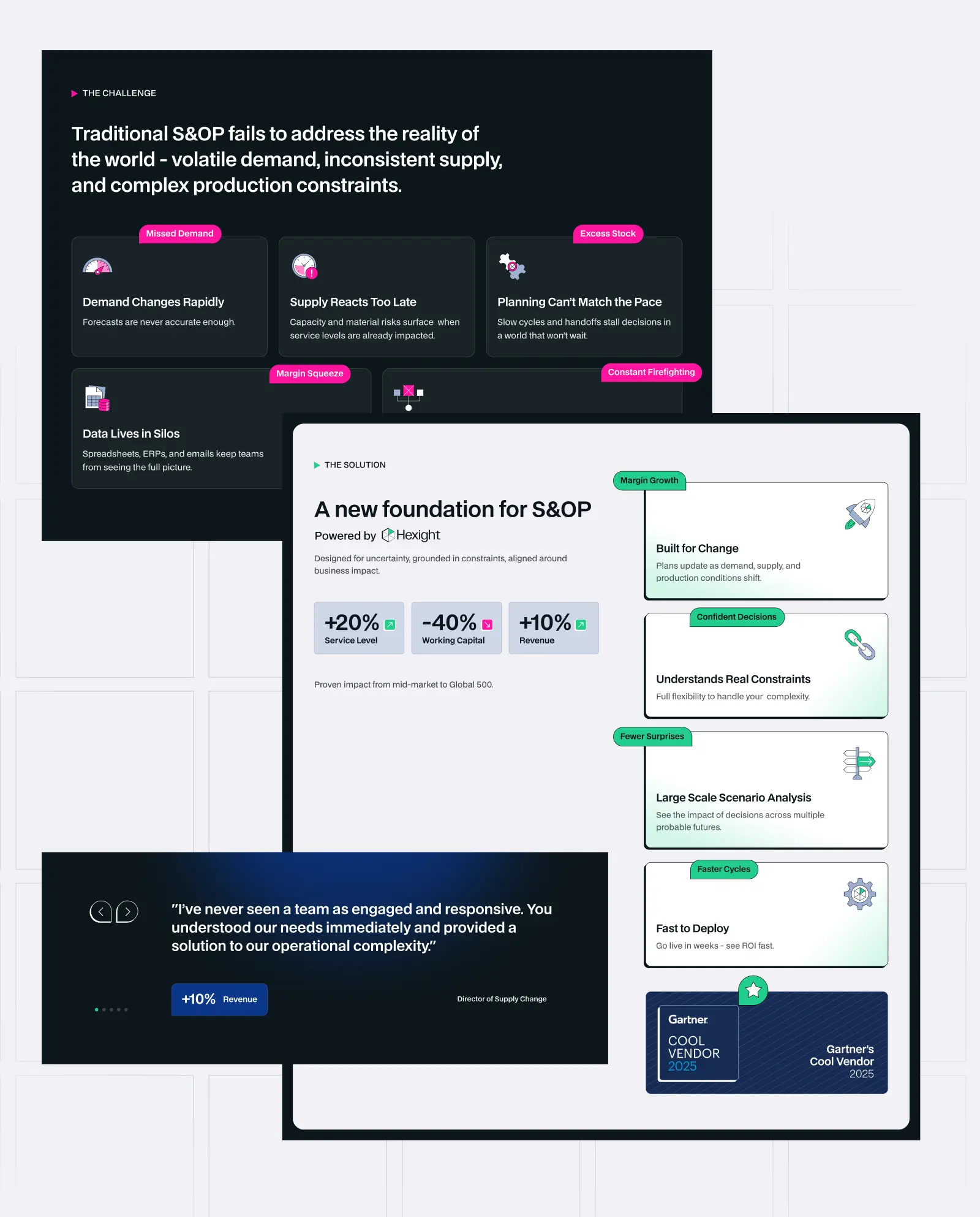
The hardest part wasn't the animation itself. It was finding a simple metaphor that worked for both technical evaluators and business stakeholders, without dumbing down either perspective. When you're positioning AI products, you're often caught between showing sophistication and showing simplicity. The branching path metaphor let us do both.

We just wrapped our 2025 Year in Review, a look back at everything we built, launched, and learned over the past year.
From complex character systems and AEO-ready websites to custom animations and scalable landing page templates, 2025 was a year of growth, creative momentum, and meaningful work with incredible clients. The review includes a full showreel that captures the range and energy of what we created, along with insights into the thinking behind the work.
If you want to see where our creativity went this year and the impact we made alongside our clients, check out the full review.

In complex tech startups, the challenge is rarely the product itself. It's how that product is perceived, understood, and communicated.
For startups operating in domains like cybersecurity, Web3, DevTools, and SaaS, the technology is often brilliant—but the story behind it is hard to explain. Concepts are abstract, systems are layered, and value isn't immediately visible.
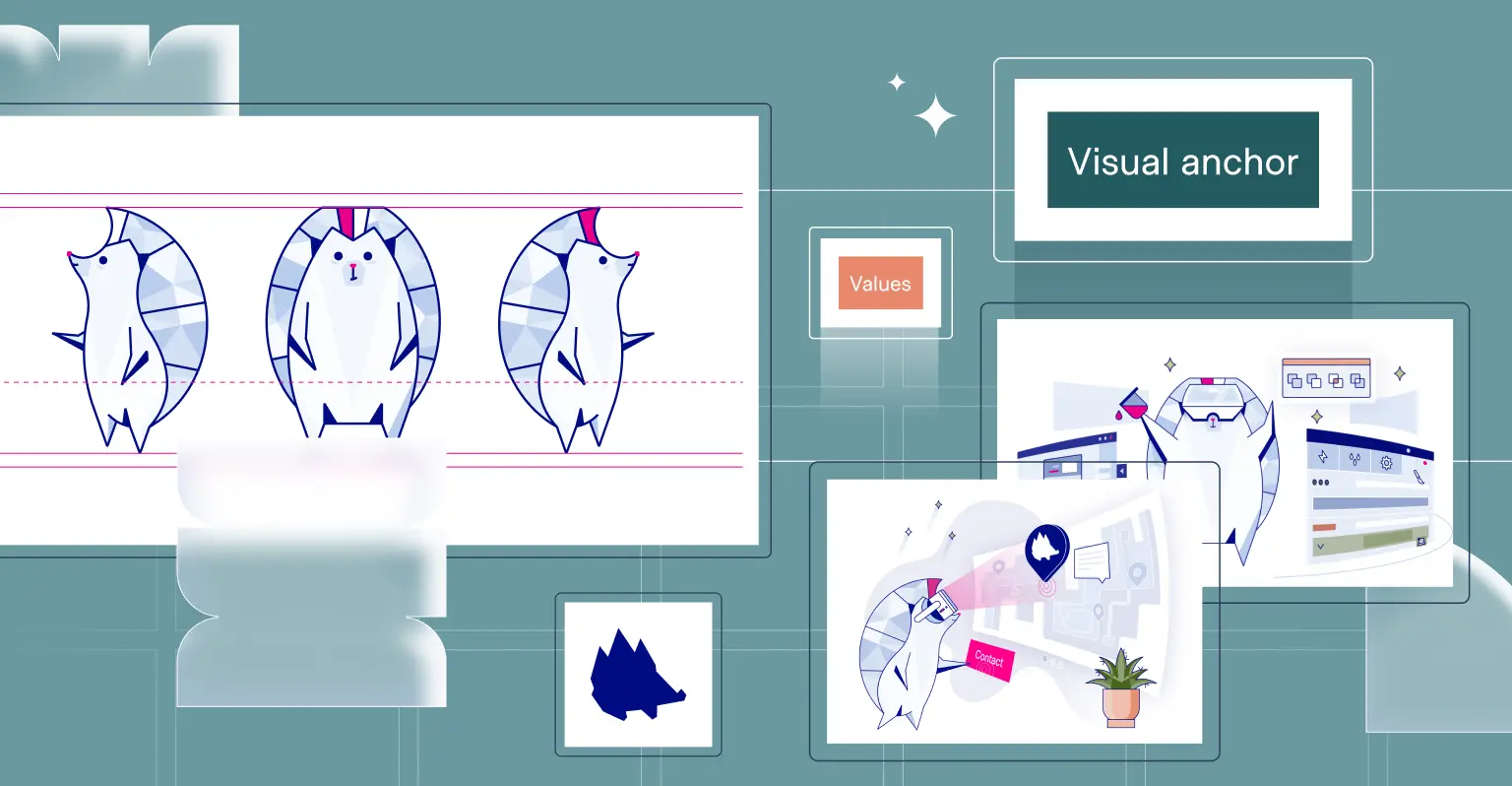
One of the most powerful tools we use to bridge that gap is the brand character. Not a mascot for swag, but a narrative device. A visual anchor that gives the brand a face, a voice, and a consistent personality across product, web, marketing, and story.
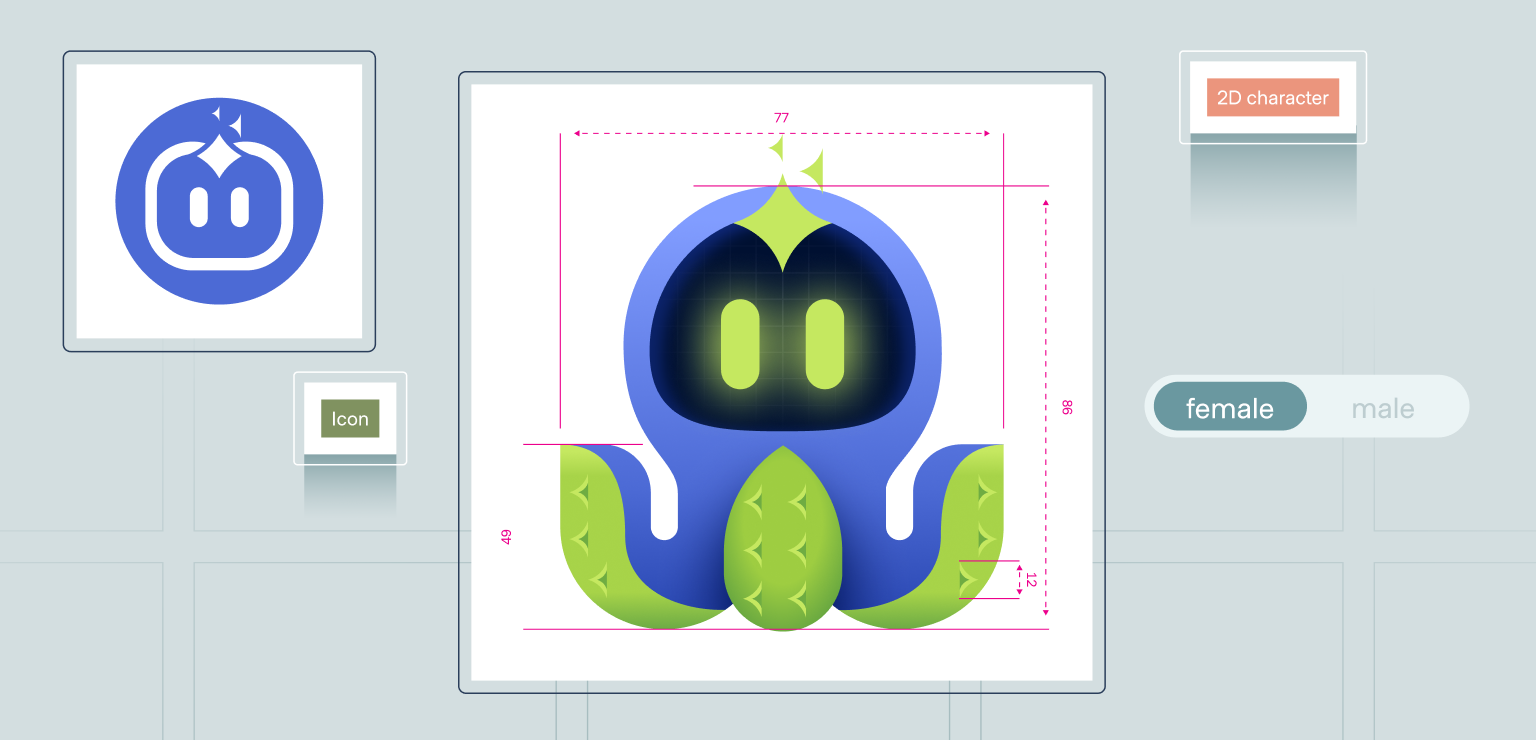
In our latest article, we break down our character design process from strategic brief to multi-layered system. Using case studies from Revenium, Tamnoon, and Draftt, we show how brand characters function as product anchors, technical guides, and storytelling devices—each layer designed with a specific role and level of expression.
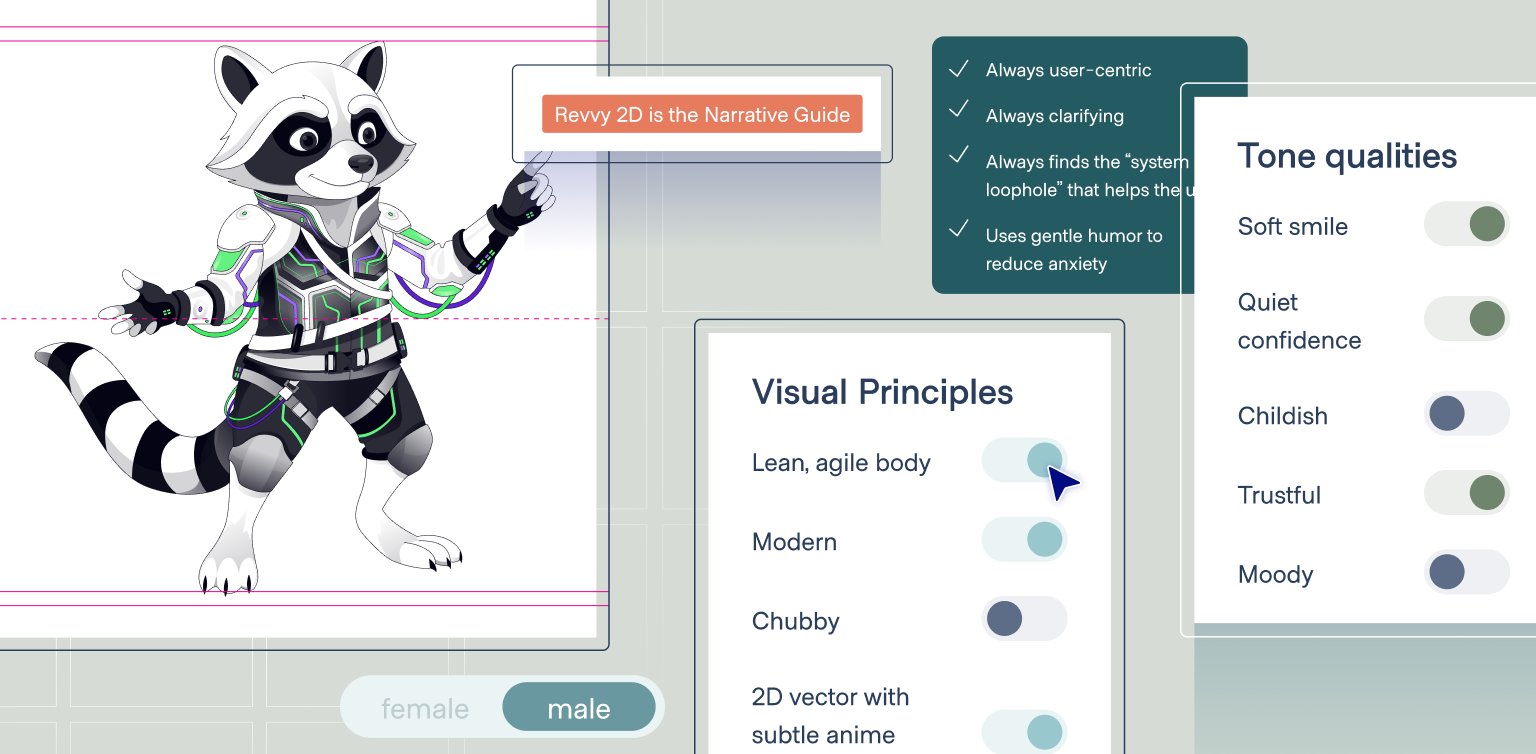
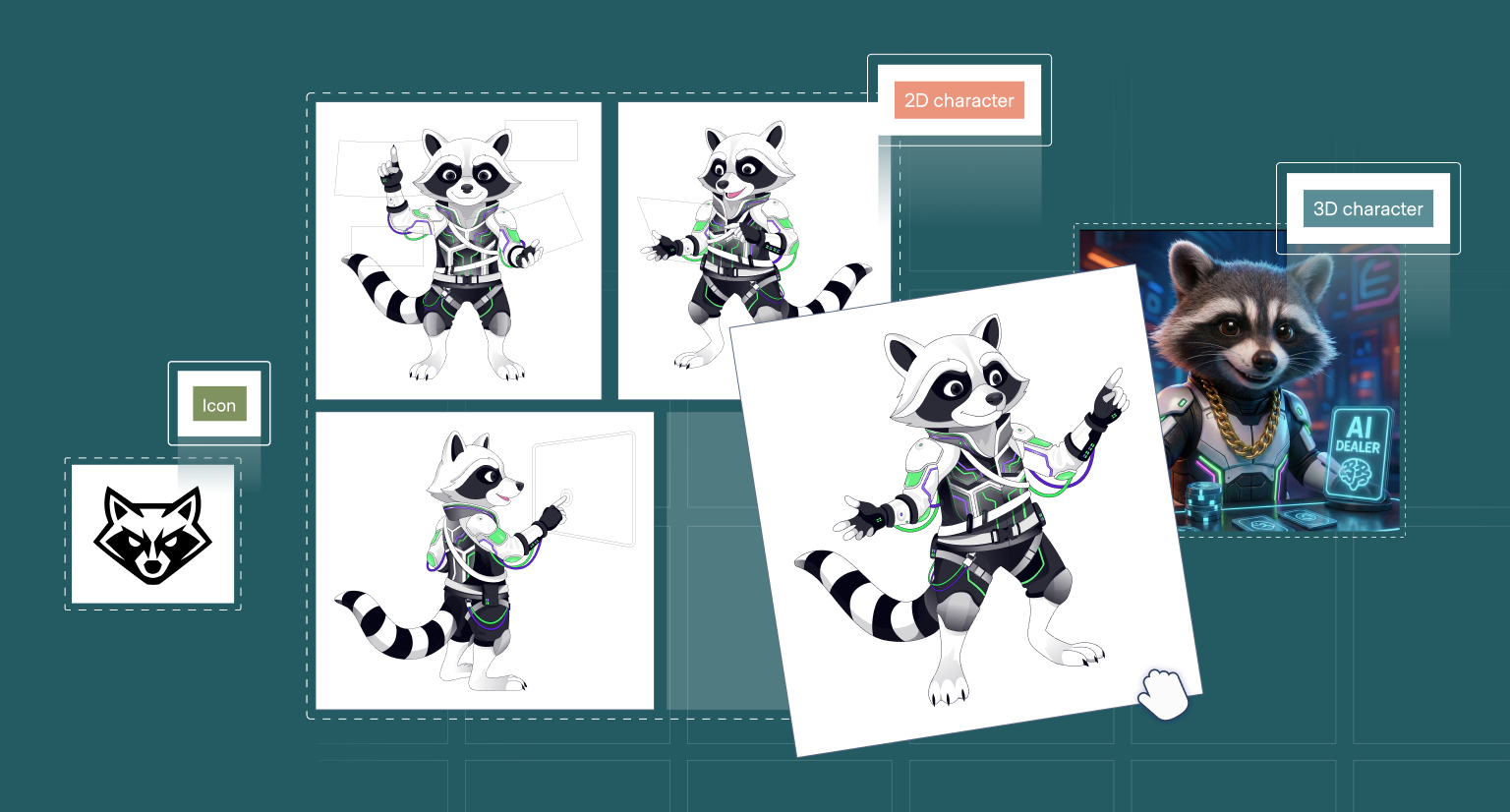
This isn't about decoration. It's about designing systems that carry the brand, guide users, and make abstract technology feel real.


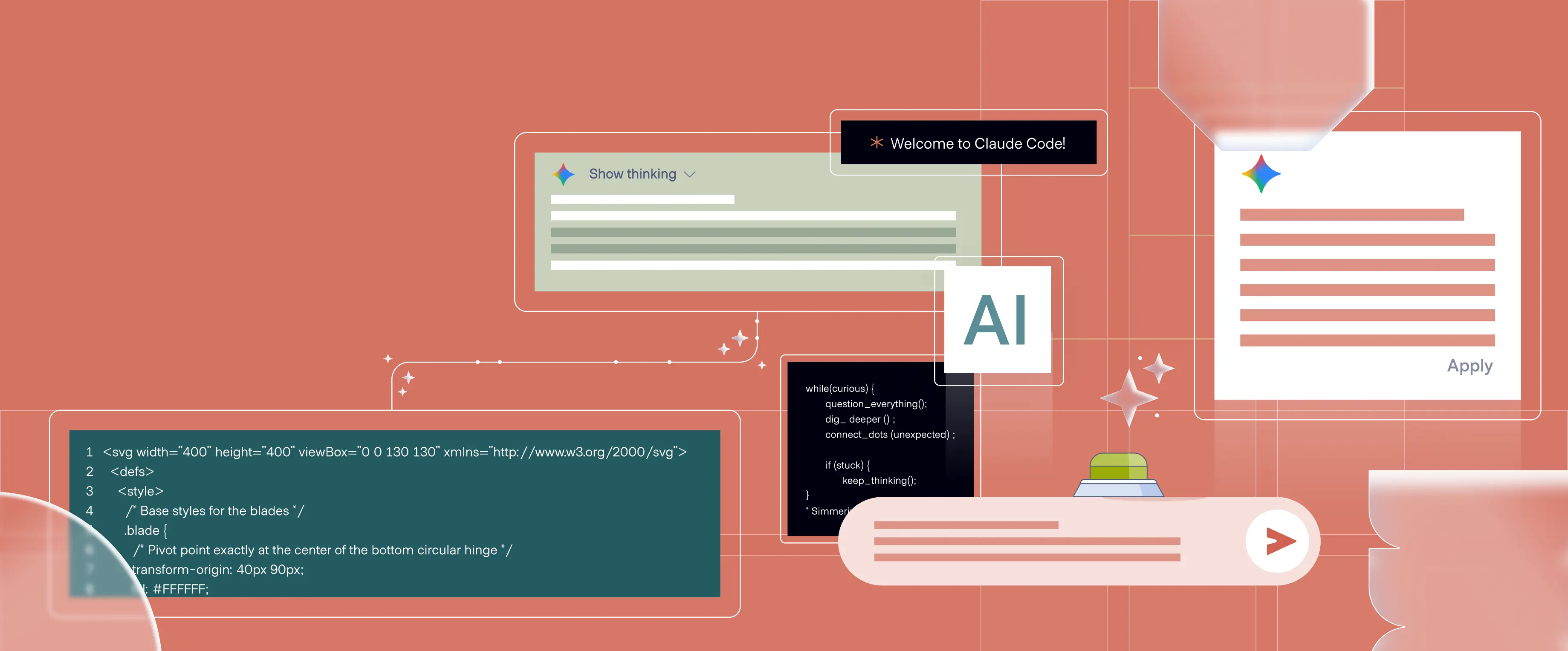
The new model releases from Anthropic and OpenAI have landed, and for web teams, the differences matter.
Claude Opus 4.6 brings significant improvements in understanding design context and maintaining brand consistency across iterations. When working on multi-page websites or design systems, Opus 4.6 demonstrates stronger memory of previous decisions, reducing the need to re-explain design rationale or system logic. It also excels at breaking down complex Webflow structures and suggesting interaction flows that feel natural rather than technically impressive but impractical.
GPT-5.3 Codex, on the other hand, pushes harder on code generation speed and handles more intricate JavaScript logic with fewer errors. For teams working with custom interactions, GSAP animations, or advanced API integrations, Codex delivers cleaner, more complete code blocks that require less debugging. It's particularly strong when you need to prototype complex functionality quickly or troubleshoot performance bottlenecks.
Our take: For strategic web design work—where you're iterating on layouts, refining messaging, or building scalable component systems—Claude Opus 4.6 feels like a better thinking partner. For technical implementation—custom scripts, animation libraries, or backend integrations—GPT-5.3 Codex is faster and sharper.
In practice, we're using both. Claude for the conceptual heavy lifting and structural decisions. GPT for the code-heavy execution. The combination gives us speed without sacrificing strategic clarity.
As always, the model is only as effective as the prompt. Neither replaces solid design thinking or technical expertise, but both make the process faster and more responsive when used with intention.


.webp)